Spring is the moment that often uncovers the truth about a 2 seater garden bench cover. The cover looks intact, but the bench underneath is blotched, damp, or dull from trapped moisture and winter wind. The right fix isn't “more plastic,” it's better fit, real breathability, and secure anchoring.
A cover can look close enough and still fail fast. The usual problem starts at the edges. If the fit is loose, wind pushes the fabric in and out all day, and that repeated flap wears seams, stitches, and coating long before rain does. If the cover is too tight, it strains the fabric and leaves less room for air movement, so trapped moisture lingers under the shell.
The bigger issue is how the cover handles movement, humidity, and edge exposure. The outdoor furniture market was estimated at USD 50.89 billion in 2024 (Grand View Research), and covers are part of that mix, but the category only works when the cover matches the bench instead of fighting it.
Practical rule: if a cover has room to flap, it is already wearing itself out.
Waterproof coatings create another failure point. A shell can block rain and still trap humid air against the bench, especially after temperature swings or a wet morning on a shaded patio. That trapped condensation is what softens wood finishes, feeds mold, and leaves metal parts exposed to slow corrosion even when the outside still looks fine. A cover that breathes a little does more real work than one that only promises a dry surface.
That trade-off shows up in the products people buy. Mainstream patio covers usually combine a water-resistant outer layer with vents, because the goal is not just keeping rain off, it is letting the bench dry between storms and overnight damp. The same logic applies whether the bench sits under open sky or beside a garden wall, where air can stay still for hours.
For owners who use a storage seat or a mixed setup, the details matter even more. The outdoor bench with storage guide is a useful reference if you want to compare covered seating with enclosed storage pieces.
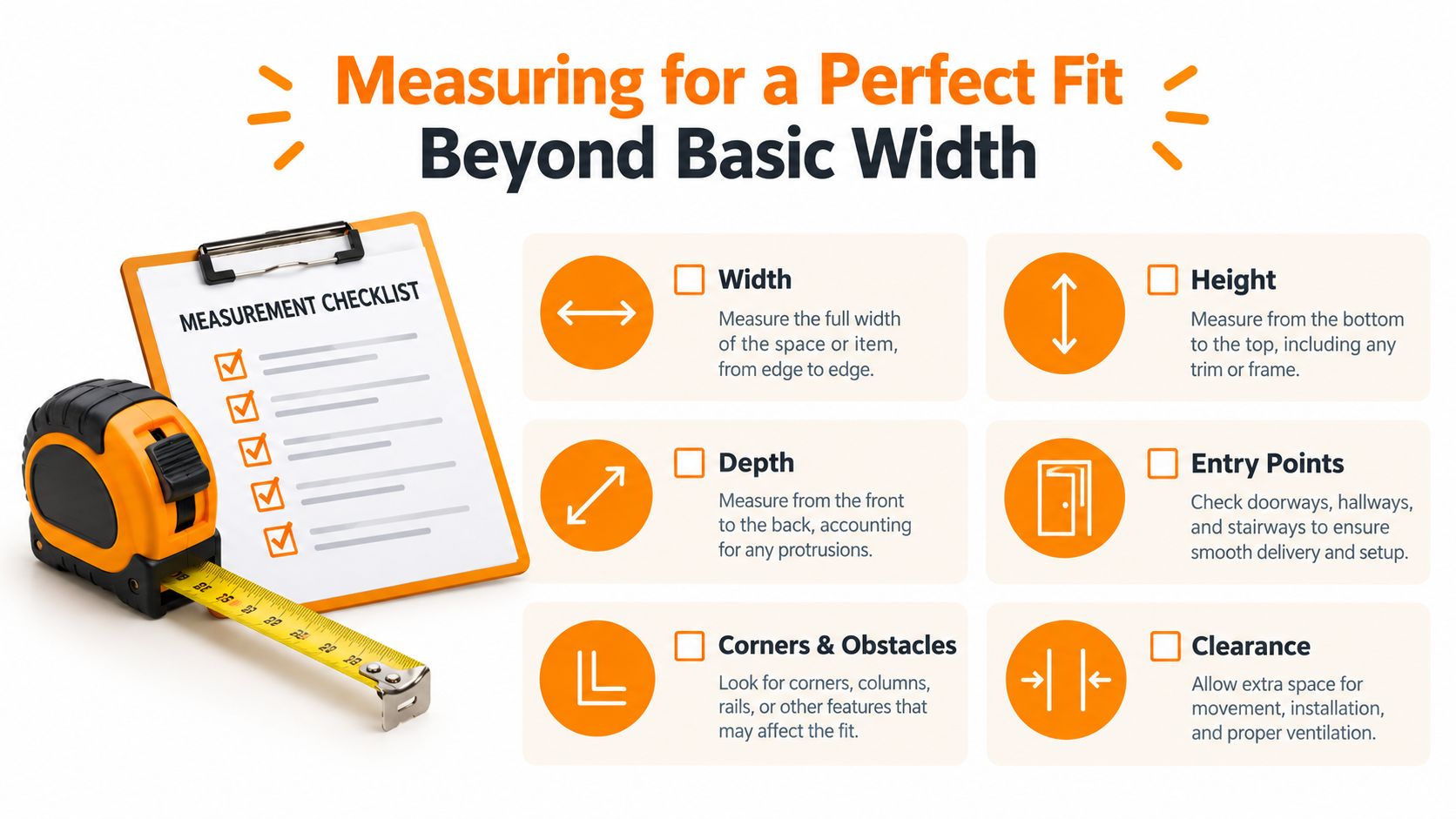
Measuring for a Perfect Fit Beyond Basic Width
Start with the full footprint, not just the seat width. The biggest mistake I see is buyers measuring the sitting area and forgetting that armrests, leg bases, and angled backs make the cover need more room than the cushion zone alone. A cover that matches only the center seat can still bind at the corners, and that's where wear starts.
Measure the widest point first
Take the width at the widest point, which is often the outside of the armrests or the leg base. Then measure depth all the way to the furthest point of the backrest, including any angle, because sloped backs eat up more cover volume than flat ones. One independent product guide recommends choosing a cover that sits 2 to 5 cm above the ground for ventilation and gives an allowance of at least 3 cm in every dimension except height, which is a useful fit rule for irregular benches (The Cover Company Australia).
That bottom gap matters more than most shoppers think. If the cover drags on the patio or grass, it can wick rainwater upward from the surface and keep the hem wet for hours. A slight lift also reduces puddling, which is a common reason cheaper covers age badly at the base.
Leave room for movement, not just size
Loose fabric sounds forgiving, but it creates another problem. In gusty weather, that extra slack turns into flap-induced fatigue, and the repeated slap at the seams acts like a slow mechanical stress test. Too tight causes seam strain, too loose causes abrasion, and neither one is good for a bench that stays outdoors.
The most useful sizing habit is to compare the bench shape to the cover shape, not just the measurement sheet. Bench-cover listings commonly show dimensions around 163 x 66 x 63/89 cm for a 3-seater, which tells you how much variation there is in back height and geometry even within standard outdoor furniture sizing (Amazon Germany bestsellers). That's why a 2-seater cover should be treated as a fit project, not a generic purchase.
Check the armrests: they're often the widest point and can force the cover upward if ignored.
Measure the rear angle: slanted backs need extra depth even when the seat itself looks compact.
Keep airflow at the bottom: a small clearance helps the bench dry after cold nights and wet mornings.
Avoid hem drag: any fabric resting on damp paving or soil will age faster at the edge.
For a practical packing analogy, the two-seater bench checklist shows the same discipline of measuring the physical item, not the label.
Material Tradeoffs Between Waterproofing and Breathability
A cover can block rain and still fail the bench underneath it. I've seen that happen after a wet stretch, when a sealed shell kept moisture in place and the underside of the cover stayed damp for days. The true trade-off is water resistance versus condensation control, and that matters more than the sales copy on the tag.
Most outdoor covers use coated polyester or vinyl-backed fabric, but the better ones also build in vents because trapped humidity is what causes trouble inside the cover. Dense polyester in the 420D to 600D range usually gives better tear resistance and better shape retention than a lighter shell, while lighter fabric can be easier to fit and remove (Lowe's patio furniture covers). The fabric rating alone does not decide performance, though. Venting, coating quality, and seam construction decide whether the bench stays dry or sits in a pocket of stale moisture.
A fully sealed PVC-backed cover will stop a downpour, but it also traps ambient humidity. That trapped moisture creates a small damp chamber around the bench, which can shorten the life of wood finishes and encourage corrosion on metal hardware when temperatures swing between day and night. The most waterproof option can become the worst long-term choice if it blocks drying.
Good covers shed water, but great covers also let the bench breathe.
For buyers comparing shell materials, the logic behind choosing water resistant fabric is useful. The same trade-off shows up in outdoor covers. A breathable shell with proper venting usually performs better over a full season than a heavier sealed cover in humid conditions, because the bench can release moisture instead of storing it.
UV exposure matters too. Sun weakens polymers over time, so durable covers usually combine a denser weave with UV-stable coating and airflow. That is why 600D-class construction keeps showing up in better listings and supplier specs. It is not because thicker always wins, it is because a stronger weave paired with venting handles abrasion, sun, and repeated handling more reliably.
210D polyester: easier to handle, lighter, but less reassuring in rough weather.
420D polyester: a practical middle ground with better tear resistance.
600D polyester: the sturdier pick when the bench stays outside often.
PVC or vinyl backings: strong water barrier, but the breathability trade-off is real if ventilation is weak.
If you are sizing up a cover for a fixed bench, the outdoor bench seat overview is useful for understanding the furniture shape you are protecting. If maintenance feels like too much work, a breathable 600D shell with vents is the minimum spec to insist on before you buy.
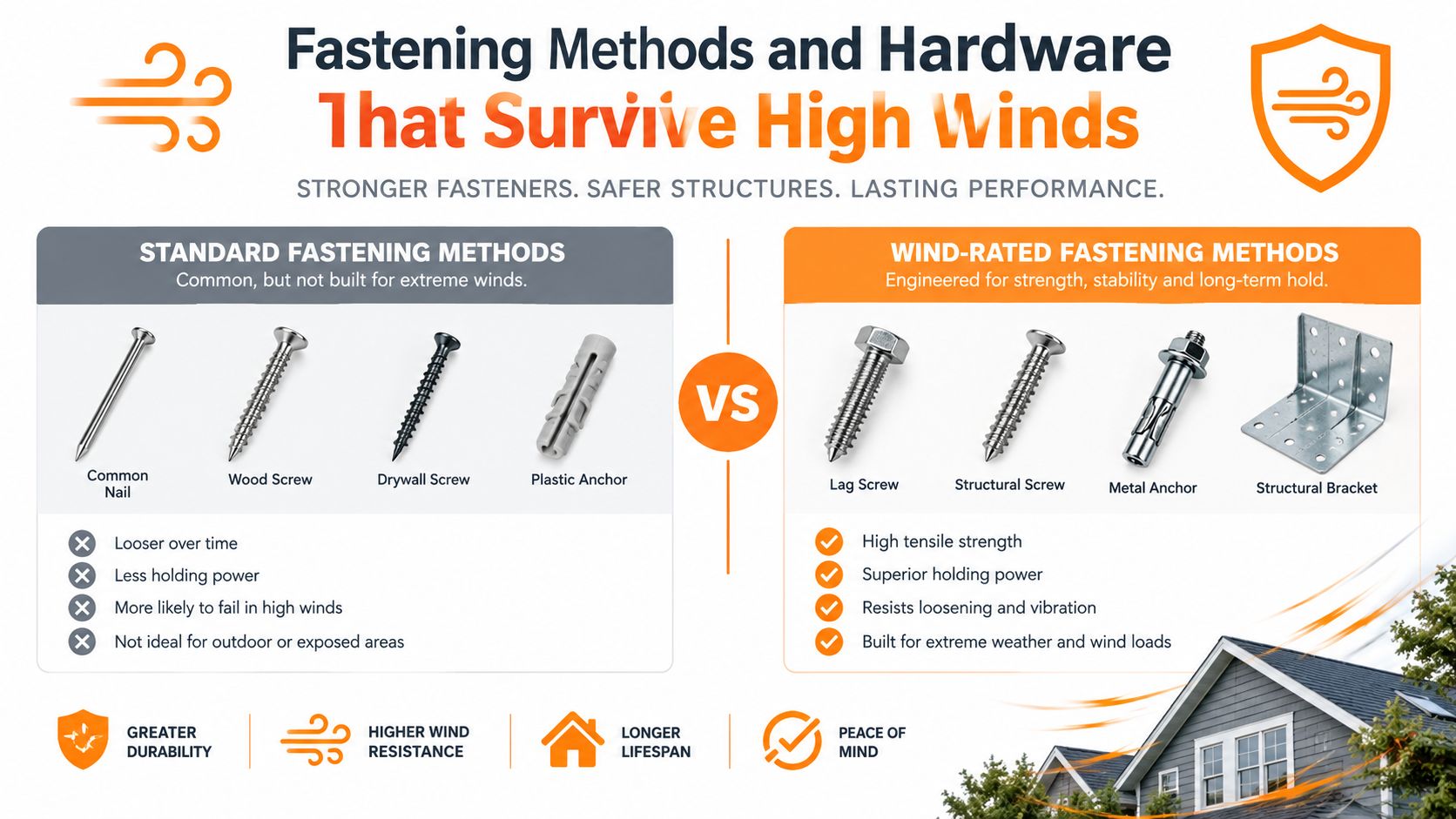
Fastening Methods and Hardware That Survive High Winds
A cover fails fast when the fit is loose. Elastic hems look convenient on day one, but sun and repeated stretch gradually relax them, and the skirt stops gripping the bench. Once wind gets under that edge, the whole cover starts to flap, and that movement wears the fabric out long before the material itself should be finished.
What holds best
Drawstrings help, but only if the cord path is easy to tighten and the lock stays put. Spring buckles and click-close straps usually hold up better over time because they can be re-tensioned after the cover settles. That matters in exposed gardens, where a bench near a fence opening or a gust corridor needs more than a casual hold.
Seams matter just as much as the fastener. Corners take the highest load because wind catches there first, and weak stitching at those points usually gives way before the main panel does. Reinforced or taped seams spread that stress instead of letting it concentrate at one bend.
If the fastening cannot be re-tightened, it usually will not stay trustworthy.
Here is the practical breakdown:
Elastic hems: quick to fit, but they relax into a loose edge.
Drawstrings: useful for adjustment, though they need a proper tie each time.
Spring buckles: steady under tension and easy to check after settling.
Click-close straps: a strong long-term hold, especially with reinforced corners.
Wind also exposes another weakness that gets missed in product photos. A cover that is slightly oversized lifts, slaps, and fatigues at the same points over and over, while a cover that is too tight strains the seams and pulls at the corners. The best result comes from a snug shell with hardware that can be adjusted after the first few days outside. In exposed gardens, treat buckles plus reinforced corners as the baseline, and treat elastic hems as a fair-weather option only.
For a different way to think about portable protection in gusty conditions, the pop-up tent for beach guide shows how gear built for constant re-anchoring handles wind differently than soft fabric covers.
Seasonal Care and Top Mistakes to Avoid
The easiest mistake is covering a bench before it is fully dry. That traps moisture against the surface and gives mold a head start, especially on wood. If the bench is still damp from rain or morning dew, let it air out completely before you cover it.
Harsh bleach is another common error. It can strip or weaken protective coatings, including UV-resistant finishes, so mild soap and water are the safer choice for routine cleaning. Wipe the bench cover clean, rinse it well, and let it dry fully before storage.
The spring and winter routine
A simple seasonal rhythm works better than emergency fixes. Before winter, clean off dirt, bird residue, and leaf stain, then inspect the seams, vents, and fasteners for wear. After the wet season, fold the cover dry and store it dry, not stuffed into a bag while it still feels cool and damp.
The idea that more waterproofing always means better protection causes problems on wooden benches in humid or coastal climates. A sealed shell can trap humidity underneath, and that hidden condensation is what slowly damages the wood. A breathable cover with some airflow often protects the bench better than a heavy shell that never lets the surface reset.
Puddling on the top usually points to shape, not luck. Flat tops sag when the cover is too large or when nothing underneath helps shed water away from the center. A light support under the cover, or a better-fitting shell with a proper slope, helps rain drain instead of pooling.
Use mild soap only: preserve the coating and avoid unnecessary fabric breakdown.
Dry the bench first: never trap dampness under a fresh cover.
Inspect after storms: straps, hems, and corners show where wind is winning.
Fix puddles early: standing water shortens the life of both fabric and stitching.
If you want less seasonal upkeep, choose a cover that fits well, breathes, and sheds water cleanly. The practical goal is simple, keep moisture out, keep trapped humidity low, and store the cover dry between uses.
Final Verdict and Upgrading Your Outdoor Setup
A good decision on a 2 seater garden bench cover comes down to three checks. Measure the widest point, not just the seat. Choose a fabric that balances water resistance with breathability, and prefer buckles or straps over elastic if the bench sits in wind.
That logic is especially clear when you compare stationary furniture to a mobile setup. A fixed bench makes sense for a patio, wall nook, or garden path, but it also asks you to manage cleaning, drying, fitting, and storage every season. A weatherproof outdoor surface like Trex decking can help create a cleaner base around the furniture, and that matters because a drier, better-drained patio helps covers perform the way they should (Trex decking from Utah Deck Supply).
A fast buyer checklist
Measure the full outer shape: armrests, back angle, and leg base all count.
Look for vents and reinforcements: they help the bench dry and the seams last.
Skip the sealed-only mindset: if it can't breathe, it can still create problems.
For buyers who want to rethink the whole setup rather than just protect one bench, the convertible outdoor bench is a useful reference point. It's a reminder that outdoor comfort doesn't have to depend on one piece of furniture sitting outside and aging under a cover.
The upgrade is choosing gear that matches how you use your space. A quality cover protects a bench well, but a flexible, 2-in-1 approach can reduce the need for seasonal guarding in the first place.
Ready to stop fighting weathered furniture and start using outdoor gear that works harder? Visit Lounge Wagon to see how a 2-in-1 gear hauler and bench can simplify outdoor trips, reduce storage hassles, and give you a better seat when you get there.
Choosing a selection results in a full page refresh.
This pad is perfect for kids or dogs to be comfortable inside the moving wagon, and very nice after you set everything up and want to sit for extra padding.
Having the umbrella this summer has been easy to use and a must to make sitting and watching the parade so nice when there isn't any shade. My dogs laid on the wagon padding and enjoyed the day without getting too hot. I enjoyed the shade too.